
How to Rank Your Restaurant on AI Platforms: A Guide for Hospitality Owners Building a Website
When someone searches for "best Italian restaurant near me" on ChatGPT or asks Google's AI for dinner recommendations, your restaurant either pops up or it doesn't. AI platforms like ChatGPT, Perplexity, Google Gemini, and Bing Copilot now shape where diners go, and if your restaurant isn't optimized for these systems, you're basically invisible to a growing crowd of potential customers.
These platforms don't show the classic blue links. Instead, they deliver direct answers and specific recommendations based on structured data, reviews, and verified info.
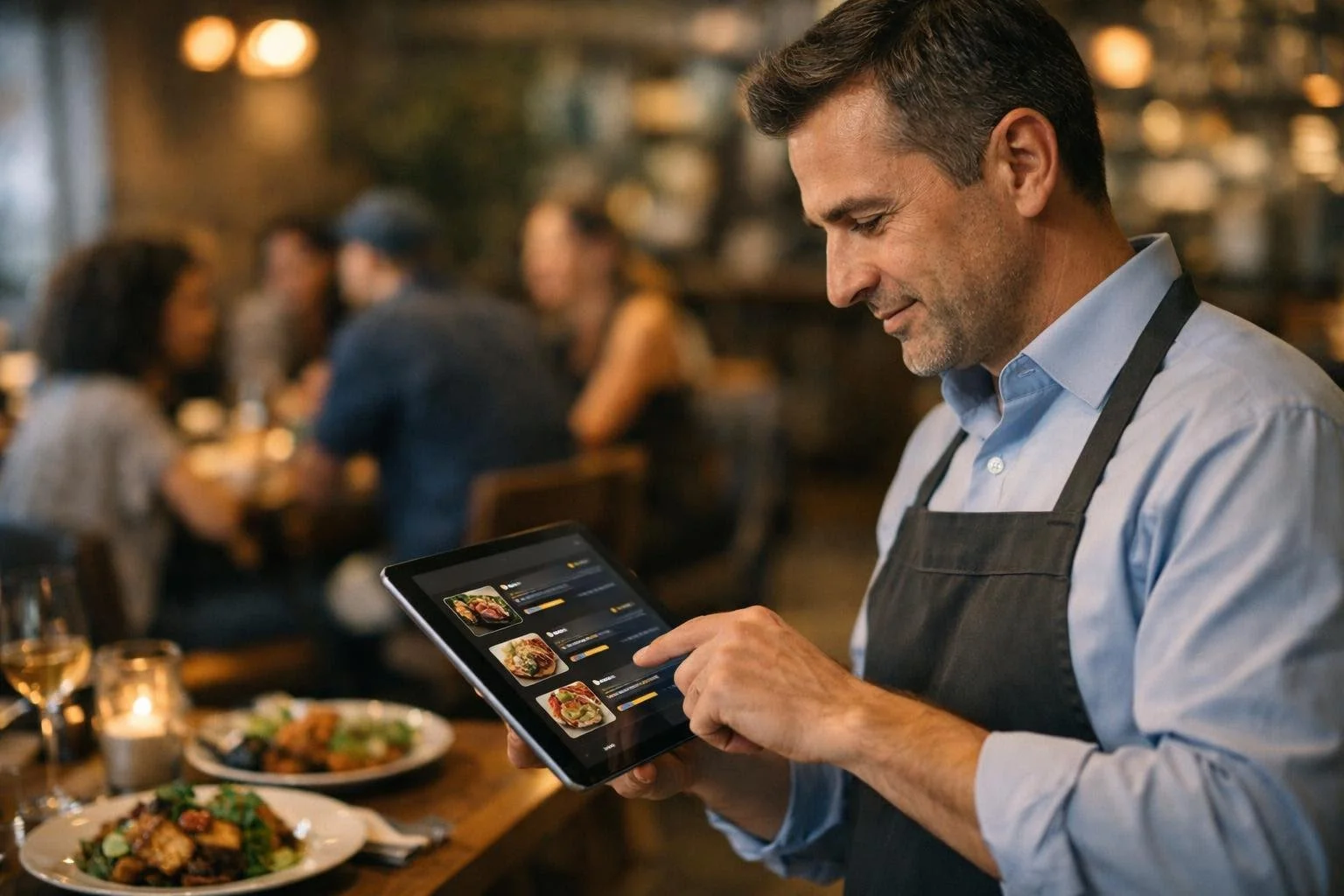
Ranking your restaurant on AI platforms takes a different mindset than old-school SEO. AI systems look at how clearly they can understand your business, how well they can verify your info, and whether they trust your reputation.
They pull from your website's structured data, your Google Business Profile, review sites, and how consistently your details show up online.
This guide walks you through making your restaurant visible to AI search platforms. You'll see which technical bits matter most, how to organize your online info, and what steps can boost your odds of being recommended when people ask AI assistants where to eat.
Key Takeaways
AI platforms recommend restaurants based on structured data, verified reviews, and consistent info across the internet
Your Google Business Profile, menu schema, and FAQ content are crucial for showing up in AI-generated dining recommendations
Regularly updating your online presence and responding to reviews affects how AI systems judge and recommend your restaurant
Understanding AI Platforms and Their Impact on Restaurant Ranking

AI platforms now guide how diners find restaurants. The decision-making process has shifted from classic search results to automated summaries and direct recommendations.
These systems look for trust signals, consistency across listings, and how clearly you explain your dining experience. It's a different world from even a few years ago.
What Are AI Platforms in Hospitality?
AI platforms in hospitality use artificial intelligence to help people discover and choose restaurants. Think ChatGPT, Google's AI Overviews, Perplexity, and Gemini.
If someone asks "best vegan restaurant near me," these platforms spit out instant answers instead of a list of links. The AI checks for inconsistencies across platforms and builds recommendations using your info.
Key AI platforms affecting restaurants:
Google AI Overviews (built into search results)
ChatGPT (conversational restaurant tips)
Perplexity (research-focused dining suggestions)
Gemini (Google's advanced AI assistant)
These systems grab data from your Google Business Profile, reviews, menu descriptions, and website. They piece it all together to answer questions about your restaurant before anyone even clicks your site.
How AI Overviews Influence Restaurant Discovery
AI Overviews have totally changed how people pick where to eat. Instead of scrolling through maps and clicking a bunch of listings, diners now get summarized recommendations that tell them where to go, what to expect, and if it's "worth it."
Food decisions happen fast. People usually search when they're already hungry or deciding between nearby spots.
AI Overviews jump right into that moment, answering questions like "quiet café for working" or "best pizza place for families" with quick, direct guidance. If your restaurant isn't part of that answer, you probably won't even get considered.
The impact is obvious. Some restaurants see fewer website visits but steady or even rising foot traffic. Your content shapes diner expectations and filters out bad-fit customers, but analytics show organic traffic dropping. That's because AI in restaurants influences choices before anyone clicks.
The Shift from Traditional Local SEO to AI Search
Old-school local SEO was all about ranking your homepage, uploading menus, and gathering reviews. AI search asks you to shape how your experience is described everywhere online.
Old approach vs AI-first approach:
Traditional Local SEOAI-First Restaurant SEORank the homepageDefine who the restaurant is forUpload menu PDFsWrite clear menu descriptions AI can extractCollect star ratingsGuide review language through clarityPost on social mediaMaintain consistent positioning everywhere
AI SEO for restaurants means using artificial intelligence tools to help restaurants show up higher in search engines, but it's also about adapting to how AI interprets your business. Consistency is huge here. If one place says "casual café" and another calls you "fine dining," AI trust drops fast.
Key Restaurant AI Agents and Recommendation Engines
AI agents for restaurants handle everything from reservations to call management. These tools don't just display info—they actively recommend places to eat.
Major AI agents affecting restaurant visibility:
Google's Local AI: Built into Maps and Search, summarizing restaurant options
Voice assistants: Alexa, Siri, and Google Assistant suggesting where to eat
Chatbot platforms: Taking orders and answering menu questions
Review analysis tools: Summarizing customer feedback into recommendations
You can check your restaurant's rankings across ChatGPT, Gemini, Perplexity and more to see where you land. These platforms prefer restaurants with clear positioning, accurate details, and strong entity signals. That means your Google Business Profile is correct, your reviews sound consistent, and you show up in guides and on social media.
Essential Data Foundations for Restaurant Visibility
AI platforms grab restaurant information from verified sources all over the web. Your restaurant needs accurate, consistent business details on Google Business Profile, local directories, and citation sites to appear in AI-powered recommendations.
Establishing Google Business Profile and Maps Listings
Your Google Business Profile acts as the main data source for AI platforms when they suggest restaurants. Claim and verify your GBP right away so you control how your restaurant shows up on Google Maps, in search results, and in AI-generated answers.
Fill out every field in your profile. Add your exact business hours, phone, website, and service attributes like "outdoor seating" or "wheelchair accessible." Upload sharp, real photos of your food, inside, and outside every month to keep things fresh.
Use location keywords in your business description. If you run a pizzeria in Manchester, say "authentic wood-fired pizza in Manchester city centre" instead of something generic. That helps AI match your restaurant to local searches.
Pick all the right categories for your spot. Choose a main category, then add secondary ones for your cuisine, dining style, and unique features. The more specific, the better—AI will connect you with the right diners.
NAP Consistency Across All Touchpoints
Your restaurant's Name, Address, and Phone number (NAP) must match exactly everywhere online. AI systems check if your NAP consistency stays identical across hundreds of sites.
Even tiny differences can hurt your visibility. Writing "St." on one site and "Street" on another confuses AI. Using different phone numbers or alternate names splits your authority.
Start by checking your NAP on Google, Yelp, Facebook, TripAdvisor, and your own site. These matter most to AI recommendation engines. Fix mismatches right away, then check smaller directories and review sites.
Mastering Third-Party Listings and Citations
Third-party citations boost your restaurant's credibility across AI platforms. List your business on trusted sites like Yelp, TripAdvisor, OpenTable, and Resy, using the same info as your Google Business Profile.
Focus on quality, not just quantity, when building citations. High-authority restaurant listing platforms verify your details across dozens of directories that AI chatbots actually trust. A handful of accurate listings on major sites beat hundreds of inconsistent ones on random directories.
Update your listings whenever things change. New menu? Different hours? Changed your phone? Make sure every platform matches within days. AI systems notice recent updates when generating answers for users.
Ensuring Local Directory Coverage
Local directories give AI platforms geographic clues that help them recommend your restaurant for area-specific searches. Submit your business to city tourism boards, local chambers of commerce, and neighborhood dining guides.
Regional food blogs and community sites often keep restaurant directories that AI uses. Reach out directly to get listed or to fix outdated info about your place.
Industry-specific directories matter for niche cuisines. If you run an Indian restaurant, get listed on South Asian food directories. Vegan? Make sure you show up in plant-based dining guides. These niche listings help AI suggest you for specific dietary or cuisine queries.
Optimising Online Presence for AI Discovery
AI platforms depend on structured, machine-readable data to understand and recommend your restaurant. When you use proper schema markup, optimize your menu info, keep your business details accurate, and provide real, high-quality visuals, you make it way easier for AI engines to find and surface your restaurant in searches.
Implementing Schema Markup and Structured Data
Schema markup is code you add to your website that tells AI platforms exactly what's what. This structured data spells out your restaurant's name, address, cuisine, and more.
Start with the Restaurant schema type from Schema.org. Mark up details like your restaurant name, address, phone number, and cuisine type. Use the servesCuisine property to specify your food—like "Italian", "Japanese", or "Vegetarian."
Add the priceRange property using pound signs (££ or £££) to show your price level. That way, AI can match you to searches for affordable or upscale places. You should also add acceptsReservations to show if you take bookings.
AI-powered search platforms use this structured data to create accurate recommendations. When your markup is complete and error-free, you've got a much better shot at showing up in rich results across search engines and AI assistants.
Utilising Menu Schema, Menu Links, and Reservation Links
Menu schema gives AI platforms a clearer picture of your dishes. Use the hasMenu property to link to your menu, and mark up each dish with the MenuItem schema type.
Stick to straightforward, descriptive names for each dish. "Margherita Pizza with Fresh Mozzarella" works better than "The Giuseppe Special"—AI engines connect the dots more easily that way.
Add menu descriptions that highlight ingredients and how you prepare each dish. AI platforms scan this info to match you with what people are searching for.
Keep your menu info consistent everywhere—Google Business Profile, your website, Yelp, delivery apps, all of it. Inconsistent menu data confuses AI systems and knocks you down in search results.
Drop in direct reservation links with clear markup. If you use OpenTable, Resy, or another system, tag those URLs with the potentialAction property. That way, AI platforms can offer instant booking options when they recommend your place.
Enhancing Opening Hours and Business Attributes
Accurate opening hours are a must for AI discovery. Use the OpeningHoursSpecification schema to mark up your hours for each day. Don’t forget special hours for holidays or seasonal changes.
Update your hours the moment they change. AI platforms pull this info for queries like "restaurants open now" or "Sunday brunch near me". Outdated hours just lead to frustrated customers and bad reviews.
Add business attributes that show off your features. Mark up things like outdoor seating, wheelchair access, live music, or private dining rooms. These help AI match you to what diners are actually looking for.
Make dietary options super clear in your structured data. Vegan, gluten-free, halal—if you offer it, spell it out. AI assistants are getting better at filtering based on dietary needs.
Leveraging High-Quality Visual Content
Visual content really matters for AI platforms. Upload your own, professionally shot photos of your dishes, dining room, and exterior. Skip the stock images—AI systems are getting good at spotting the real thing.
Add descriptive alt text to every image. Say what’s actually in the photo and include relevant keywords, but don’t force it. For example: "Wood-fired margherita pizza with fresh basil" or "Outdoor patio seating with string lights".
Alt text helps two groups: visually impaired users and, honestly, the AI platforms themselves. Just write it naturally and focus on accuracy, not stuffing in keywords.
Swap out your photos regularly so they reflect your current menu and décor. Fresh images tell AI that your business is active. Post them everywhere you have a profile, not just your site.
Review Platforms and Reputation Management
Your visibility on AI platforms depends a lot on your review performance across major sites. Managing reviews well builds trust signals that AI uses to recommend your place—or not.
Managing Reviews on Google, Yelp, Facebook, and TripAdvisor
Each review platform has its own rules and crowd. Google drives most discovery searches and cares about recent, verified feedback. Yelp is big with locals and younger diners but bans asking for reviews in person. TripAdvisor is for tourists who want details like parking. Facebook is more about community and real interactions.
Claim and verify your listing on every platform. Fill out every section with identical business info. Update your hours for holidays, add new photos regularly, and link to your current menu.
Platform priorities:
Google – Upload great photos, reply within 24 hours, keep ratings above 4.3 stars
Yelp – Don’t incentivise reviews, keep it authentic and local
TripAdvisor – Highlight tourist-friendly details, especially parking
Facebook – Chat with your community, share user-generated posts
Keep your name, address, and phone number (NAP) exactly the same everywhere. Even tiny differences throw off AI systems and hurt your ranking.
Responding to Customer Feedback Promptly
Speed really matters when you handle reviews. Restaurants that respond to reviews see 35% more revenue than those who don’t. Aim to reply within 24 hours, especially to negative feedback.
Thank guests by name when they leave positive reviews, and mention the dishes they liked. For complaints, acknowledge the issue publicly, then move the conversation to private channels. Show empathy and give a direct phone or email for follow-up.
Don’t copy-paste generic replies—people can tell. Personalise each response but stay true to your brand voice. If someone brings up food safety, discrimination, or legal stuff, escalate to management within two hours.
Analysing Sentiment and Leveraging AI Tools for Reviews
AI-powered reputation management platforms help you spot patterns before they turn into bigger problems. These tools break down sentiment by theme—food quality, service speed, staff attitude, value for money.
Track these metrics every month:
MetricTargetWhy It MattersAverage rating4.3+ starsDrives booking decisionsResponse rate100%Shows you careResponse timeUnder 24 hoursPrevents escalationReview volumeWeekly countIndicates momentum
Platforms like Bloom Intelligence and Ovation give you real-time insights from one inbox. They flag repeat complaints about wait times or portion sizes so you can fix things fast. Sentiment analysis shows which changes actually move the needle on customer satisfaction.
Building Trust for Better AI Recommendations
AI platforms put restaurants with steady, positive signals at the top. Your review performance has a direct impact on whether AI systems recommend you to diners.
Keep your ratings above 4.3 stars on all the big platforms. Over half of customers won’t even consider a spot rated below 4. One extra star can bump revenue by 5–9%.
Ask happy guests for reviews at the right moment—after their meal with a QR code on the receipt, or in a follow-up email a couple of days later. Never offer discounts or freebies for reviews; that’s against the rules.
Post new content often. Fresh photos, updated menus, and prompt replies show AI that your business is active and well-run. The more you do, the more likely you are to show up when people search for places to eat.
Content Strategy and Conversational Queries on AI Platforms
AI platforms handle searches differently than old-school engines. They focus on natural language and specific details. Your content should match how people actually talk and ask questions—give clear, structured answers that AI can pull and cite.
Creating AI-Friendly Restaurant Content
Your site needs content that AI platforms can actually understand and reference. Write short, clear sentences that answer real questions about your place.
Use clear headings and subheadings. Organise info about your menu, hours, location, and services with H2 and H3 tags. AI tools scan these headers to figure out what’s in each section.
Make an FAQ section with questions your customers actually ask. Stuff like "Does [restaurant name] offer gluten-free options?" or "What time does [restaurant name] serve breakfast?" Keep answers short—2 or 3 sentences before you dive into more detail.
Bullet points and tables make info easy to scan. List your hours, price ranges, and special features in simple formats. Add schema markup for restaurants, menus, and FAQs so AI platforms get the context they need.
Put the most important stuff first. Start pages and paragraphs with key details like your cuisine, location, and what makes you different.
Optimising for 'Near Me' and Local Keyword Searches
Local searches drive a lot of restaurant discovery on AI platforms. Optimising for conversational AI queries means focusing on location-based terms and natural language.
Include your full address, neighbourhood, and nearby landmarks all over your site. Mention streets, districts, and areas where your customers come from. AI platforms use this info to match you with "near me" searches.
If you have more than one location, create a page for each. Each page should have unique details about that spot, directions, and what’s special about the area.
Add structured data with your exact coordinates, service area, and address. This helps AI know exactly where you are and who you serve.
Write about local events, partnerships with nearby businesses, and how you’re involved in the community. This builds local relevance and helps AI answer location-based questions about your restaurant.
Integrating Dietary Options and Detailed Menu Information
Detailed menu descriptions make it easier for AI platforms to match you with dietary queries. List every dietary option on your site—vegetarian, vegan, gluten-free, dairy-free, allergen info, all of it.
Set up dedicated sections or pages for dietary needs. Use clear headers like "Vegan Menu Options" or "Gluten-Free Choices" so AI can spot them right away.
Be specific with menu items—list the ingredients, how you prepare them, and dietary labels. Instead of "pasta dish", write "gluten-free penne with roasted vegetables, olive oil, and fresh basil (vegan, dairy-free)".
Information TypeWhat to IncludeIngredientsMain components and key flavoursDietary LabelsVegan, gluten-free, nut-free, etc.PreparationGrilled, fried, baked, rawAllergensClear warnings for common allergens
Update your menu content often to match your current offerings. AI platforms notice when your info is fresh.
Addressing Conversational and Voice Search Queries
People ask AI platforms questions the way they’d ask a friend. AI platforms process queries in a conversational tone that mimics how we actually talk.
Write content that answers whole questions. Instead of just listing "reservations available", say "Can I book a table at [restaurant name]?" or "Do you take walk-ins?" and answer right below.
Use question-based headings throughout your site. Format H2 and H3 tags as real questions, then answer them directly underneath.
Target long-tail keywords that sound like real speech. Phrases like "best Italian restaurant for anniversary dinner" or "kid-friendly brunch spots with outdoor seating" beat generic SEO terms every time.
Cover natural variations of common questions. Someone might ask "What's your busiest time?" or "When should I arrive to avoid crowds?" Answer both so you catch different speech patterns.
Don’t shy away from comparison queries. Create content that explains what sets you apart, your price range, and signature dishes. AI platforms often pull this info when people want recommendations.
Leveraging Restaurant Technology and AI Tools for Higher Ranking
Modern restaurant tech can make or break your visibility on AI platforms. The right tools and integrations mean more structured data, consistent info, and better customer signals. It’s the foundation for getting found by AI—no shortcuts here.
Selecting and Integrating AI Tools for Restaurants
Your choice of restaurant technology really shapes how well AI platforms can dig into your business data. AI tools for restaurants now cover everything from menu management to customer service. 87% of UAE operators already use AI in some way, and 79% in the U.S. are right behind them.
Start with your point-of-sale system as the core data hub. Toast POS and Lightspeed both connect natively with AI platforms, so they automatically share menu updates, pricing tweaks, and operating hours.
These systems feed structured data to search engines and AI tools. That way, they can recommend your place to hungry users without missing a beat.
Pick tools that actually talk to each other. XtraChef links up with your Toast POS, giving you food cost reports while updating inventory data that AI platforms use to double-check your menu accuracy.
This interconnected setup keeps things consistent across all your digital touchpoints. It’s not just fancy tech—it’s practical.
Go for platforms with open APIs and strong partnerships with big AI services. PopMenu, for instance, plugs right into voice assistants and chatbots, so your menu pops up instantly on AI-powered restaurant searches.
Harnessing Reservation Management and Online Ordering Platforms
Your reservation and ordering systems churn out the transaction data that AI platforms crave. SevenRooms and similar tools track bookings, cancellations, and customer preferences—these all influence your ranking with the bots.
Online ordering isn’t optional anymore. AI platforms look for restaurants with smooth digital ordering, since those systems give clear signals about menu availability, delivery, and whether you’re even open.
Set up your reservation management system to share real-time availability with AI assistants. When someone asks an AI about booking, your system needs to fire back instantly with accurate info.
If your data’s delayed or off, AI platforms will bump you down their lists. That’s just how it goes.
Enable rich data sharing in your ordering platform settings. Include prep times, dietary details, ingredient lists, and allergen warnings.
AI platforms use all that detail to match customer questions with restaurants that fit.
Using Data-Driven Insights for Operational Excellence
Your tech stack’s data tells AI platforms whether your restaurant runs smoothly and consistently. Food cost reports through XtraChef show you’ve got inventory control and menu accuracy—two things AI platforms care about when ranking restaurants.
Watch your tech dashboard for patterns that can mess with your AI visibility. Track your average response time to online orders, how fast you confirm reservations, and how often you update your menu.
AI platforms notice if those numbers slip. If they do, your ranking takes a hit.
Use your POS data to spot your top dishes and make sure those items stand out online. AI recommendation engines want to see a match between what people actually order and what you’re hyping up.
Set up alerts for operational hiccups that could tank your AI ranking. Out-of-stock items, long prep times, or system downtime all send bad signals to the platforms that gather restaurant data for recommendations.
AI SEO Tactics and Ongoing Performance Optimisation
Winning in AI-driven search means you’ve got to keep an eye on how platforms recommend your restaurant and make sure your info is spot-on everywhere diners might look. Regular checks and smart tool use help you stay visible as the AI landscape shifts.
Tracking Visibility and Local Rankings on AI Platforms
You’ve got to monitor how often AI platforms mention your restaurant when people ask for suggestions. Try running your own queries in ChatGPT, Google’s AI Mode, and Perplexity—search things like "best Italian restaurant in [your city]" or "family-friendly dinner near [your area]."
Track these metrics each week:
Direct mentions in AI-generated answers
Position in AI recommendation lists
Context of recommendations (romantic, quick lunch, etc.)
Competitor appearances for similar searches
Make a simple spreadsheet to log what you find. Note which features AI platforms call out about your restaurant. If they always mention your patio but ignore your vegan menu, you’ll know what to highlight next.
Test different queries that match what your customers might ask. Try "gluten-free restaurants near me" if you offer those options. See if you show up for those needs, and jot it down.
Ensuring Consistent Updates Across Listings and Platforms
AI platforms pull info from all over, so mismatched details hurt your chances of getting recommended. Your name, address, phone, hours, and menu need to match everywhere, down to the last letter.
Focus on these listings first:
Google Business Profile
Apple Maps
Bing Places
Yelp
TripAdvisor
Facebook Business Page
Update all platforms right away when you change hours, add menu items, or tweak your services. Inconsistent data confuses AI and makes you look less trustworthy.
Set a calendar reminder to check your listings every month. Make sure seasonal menus and special holiday hours show up everywhere people might look.
Third-party listings and local directories boost your data footprint. The more places your accurate info appears, the more confident AI systems get about recommending you.
Making Use of Tools Like Moz, SEMrush, and Gemini
Professional tools make monitoring easier and help you spot things you’d probably miss on your own. Moz Local tracks citation consistency across directories and lets you know if something’s off. It shows where your business info lives and flags outdated stuff.
SEMrush gives you local SEO tracking, so you can watch your visibility for certain keywords in your area. Use it to track rankings for terms like "brunch near me" or "vegan café [city name]." The Position Tracking tool shows how you stack up against competitors for those high-intent searches.
Google Gemini helps you see how AI interprets your business. Ask it questions about restaurants in your area and check if you show up in the answers. Play around with different search phrases to find gaps in your AI visibility.
These tools give you actionable data—not just guesses. Set up weekly reports in SEMrush to catch ranking changes. Use Moz’s duplicate finder to spot old listings you forgot about that need fixing.
Frequently Asked Questions
AI platforms judge restaurants based on data points like review quality, menu info, and online consistency. Knowing how these systems work helps you fine-tune your digital presence for better visibility.
What strategies can enhance a restaurant's visibility on AI-driven recommendation engines?
Keep your business info consistent everywhere your restaurant appears. AI systems cross-check data from different sources, and conflicting details about your hours, location, or contact info make you look less credible.
Build out pages for signature dishes, dietary options, and unique features. If someone asks an AI for "gluten-free restaurants" or "romantic dinner spots," those details help the system link your place to the right search.
Get listed on trusted directories that AI systems use for recommendations. Google Business Profile, Yelp, and TripAdvisor act as reference points for AI models when they suggest restaurants.
Highlight your awards, media mentions, and chef credentials on dedicated website pages. AI platforms give extra weight to places with real recognition, especially for fine dining or specialty categories.
How do the algorithms of AI platforms evaluate a restaurant's quality and service?
AI platforms scan review patterns across multiple sites to get a sense of quality. They look at review volume, rating consistency, how quickly you respond, and what themes pop up in customer comments.
The systems also check how clear and detailed your menu is. Restaurants with thorough menu descriptions, ingredient info, and dietary options get more attention for specific dietary searches.
AI models consider your digital footprint. If local news, food blogs, and dining guides mention your restaurant, that signals authority and trust to the algorithms.
Accurate location data matters a lot. AI platforms double-check your address, hours, and service areas across different sources before they include you in location-based suggestions.
What role does customer feedback play in improving a restaurant's AI rankings?
Customer reviews are the main quality signals AI platforms use. High ratings aren’t enough—AI systems dig into review content for things like ambience, service speed, or how well you handle dietary requests.
Detailed reviews that mention specific dishes, occasions, or experiences help AI match you to more precise queries. If someone says your "quiet atmosphere is perfect for business meetings," you’re more likely to show up for those searches.
Recent reviews count more than old ones. AI platforms weigh fresh feedback more heavily when deciding if your restaurant keeps up its standards.
Your responses to reviews matter, too. Restaurants that reply constructively to feedback look more credible to AI systems judging professionalism.
Which SEO practices are most effective for boosting online presence in AI search results for restaurants?
Structure your website with clear headings and organised info. AI systems process content better when you use proper heading levels and semantic HTML.
Create separate pages for each location if you run more than one spot. Each page should have details about hours, parking, landmarks, and the local vibe.
Write naturally about your food and services—don’t stuff keywords. AI platforms prefer conversational content that answers real questions people have about restaurants.
Add schema markup for your restaurant, menus, and events. This structured data helps AI systems pull accurate info about your business, hours, and what you offer.
Keep a current events or news section. Regular updates about seasonal menus, special events, or community projects show you’re active and engaged.
What type of content should restaurants provide to engage AI systems and attract potential diners?
Build out menu pages with detailed dish descriptions. Include how you make each item, key ingredients, portion sizes, and dietary notes.
Make dedicated pages for dietary accommodations. If you’ve got vegan, gluten-free, or allergen-friendly options, spell them out—AI systems notice that stuff.
Describe your atmosphere and what occasions you’re best for. Talk about noise levels, dress code, seating, and what kinds of gatherings your space fits.
Share chef profiles and your culinary philosophy. A bit about your kitchen team’s background, cooking style, and ingredient sourcing helps build authority for quality-minded diners.
Keep your delivery and takeaway info up to date. If you offer those services, explain delivery zones, packaging, and which platforms you partner with.
How can restaurants leverage data analytics to optimise their performance on AI recommendation platforms?
Track where your restaurant ranks on AI search prompts across different platforms. Check which queries actually bring up your restaurant and which ones just don't—there's usually something to learn from that.
Dig into your reviews and notice which menu items people mention the most. You might want to spotlight those dishes in your online content and make sure they've got solid, mouth-watering descriptions on your website.
Look for patterns in your reviews. If guests keep raving about your outdoor seating but it's nowhere to be found on your site, that's a pretty clear sign to add it—maybe even front and center.
Keep an eye on where your traffic comes from. Are folks finding you through AI platforms, regular old Google, or maybe Instagram?
Once you know, you can focus your optimisation efforts where they'll actually matter. It just makes sense to compare your digital presence with competitors nearby.
See what they're showing off that you aren't. Then, fill in those gaps and don't be afraid to get a little creative.
