
Direct Booking vs Per-Cover Reservation Platforms: Website Guide
Every time a guest books a table at your restaurant through a third-party platform, you pay a fee. Those fees add up fast.
Mid-volume restaurants often spend £5,000 to £15,000 per year on per-cover charges from platforms like OpenTable. In contrast, direct booking systems charge a flat monthly rate of £0 to £150, no matter how many tables you fill.
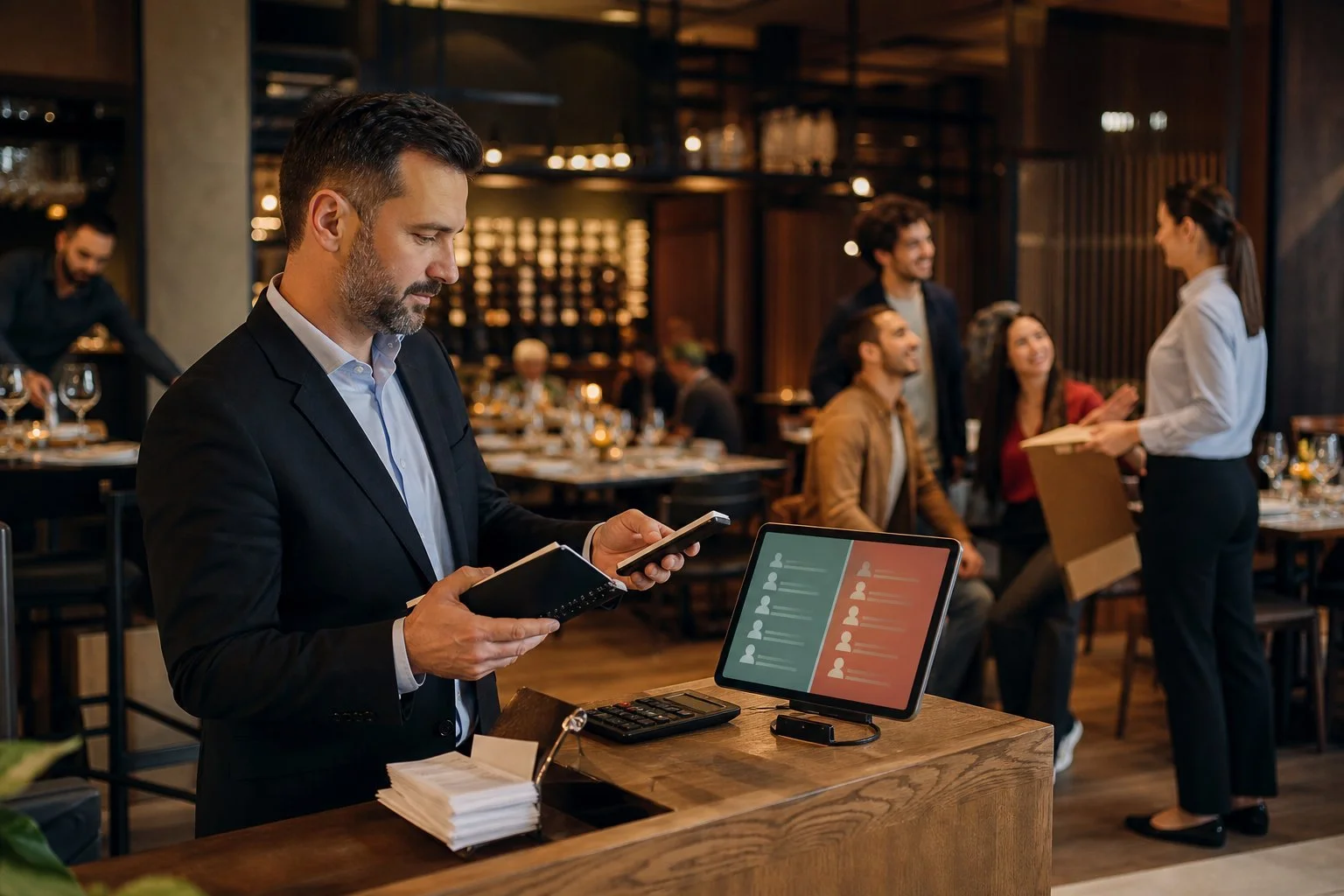
It's not just about the money. When you rely on reservation platforms that charge per cover, you lose ownership of your guest data and your brand relationship takes a hit.
Your costs also go up as your restaurant gets busier. Direct booking flips that on its head—you keep control of the guest experience, hold onto customer info, and your costs stay predictable.
This guide breaks down what per-cover fees actually cost, what you gain by switching to direct booking, and how to make the leap without losing visibility or new guests.
Key Takeaways
Per-cover fees from third-party platforms cost most restaurants thousands of pounds annually, while direct booking systems charge flat monthly rates.
Direct booking gives you full ownership of guest data and brand relationships instead of sharing them with intermediaries.
You can transition to direct booking gradually by tracking both channels and investing savings into marketing you control.
Comparing Per-Cover Fees With Direct Booking Costs
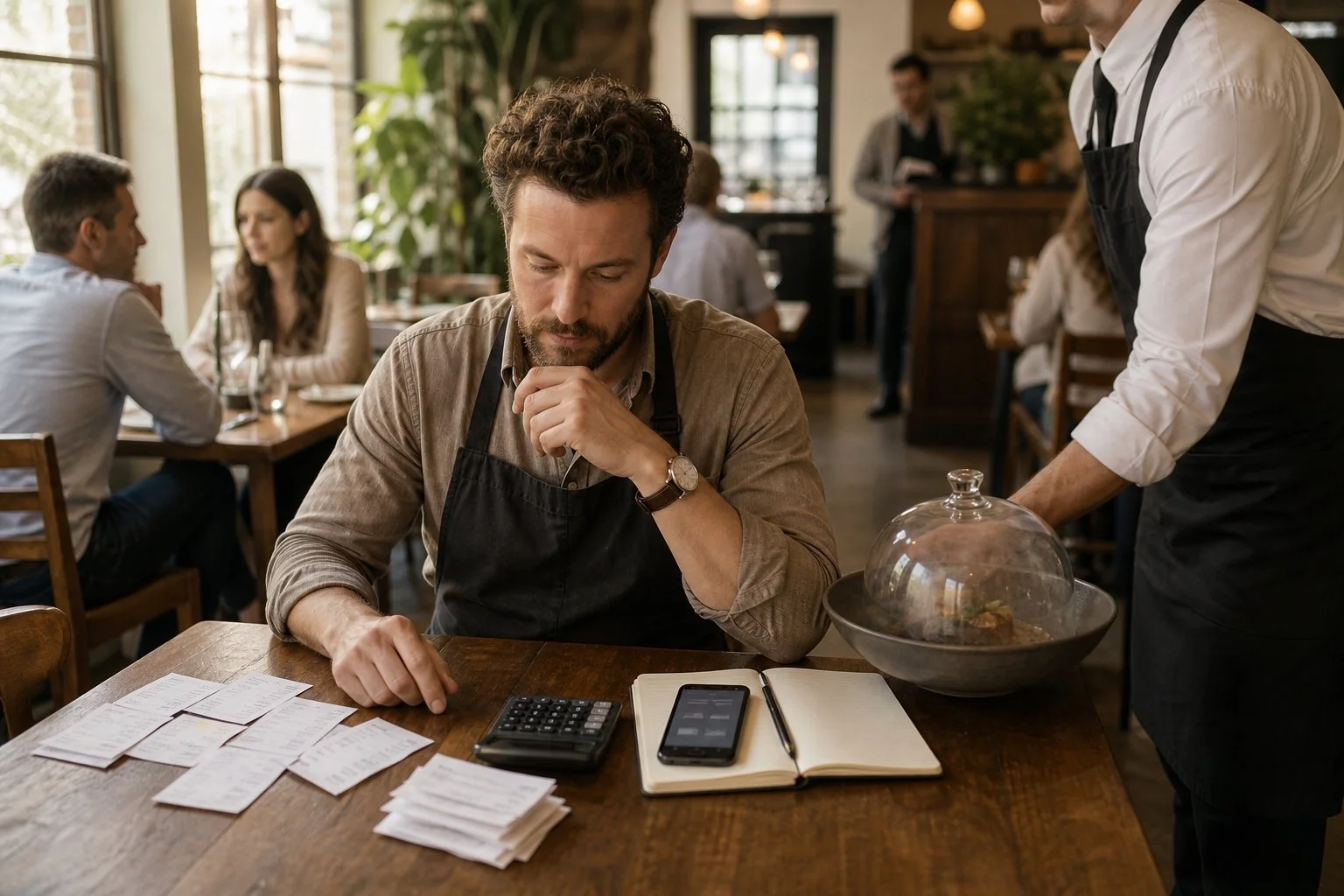
Per-cover pricing means you pay every time someone books. Flat subscriptions, on the other hand, cost the same no matter how busy you get.
This difference either rewards your busiest months or penalizes them with higher fees.
How Per-Cover Charges and Monthly Subscription Fees Work
Per-cover fees hit you each time a guest sits down. OpenTable uses this model, charging between £0.20 and £1.20 per diner, depending on your plan.
There's also a monthly subscription fee on top of the per-cover charge, ranging from £120 to £400 for different feature sets.
A typical OpenTable setup includes:
£0.80 per cover from their network
£0.20 per cover from your own website widget
£200 monthly subscription fee
Direct booking channels work differently. You pay a fixed monthly subscription, usually between £40 and £150, with no per-cover charges.
The only extra cost is card processing, which runs about 1.5% plus 20p per transaction.
Whether you serve 50 covers or 500 in a month, your direct booking software costs the same.
The True Cost at Different Booking Volumes
The gap between platform fees and direct booking costs grows as your restaurant gets busier. At low volumes, the difference feels small. At high volumes, it gets significant.
Monthly CoversPlatform Cost (Annual)Direct Booking Cost (Annual)Your Savings100£3,360£760£2,600300£5,280£760£4,520500£7,200£760£6,4401,000£12,000£760£11,240
These calculations assume £0.80 per cover plus £200 monthly for the platform, compared to £63 monthly for direct bookings.
Host fees on platforms like OpenTable climb every time your booking volume rises. With direct bookings, your costs stay flat.
When a Flat Subscription Is More Predictable
Flat subscriptions make budgeting way easier because you know what you'll pay each month. Platform commission structures create variable costs that spike during your busiest periods.
Let's say you have a strong month with 600 covers instead of your usual 400. A per-cover model charges you an extra £160 in platform fees, while a flat subscription costs nothing extra.
This pricing structure means success doesn't get you penalized. Your direct booking channel actually rewards growth.
Restaurants with seasonal swings benefit most from flat-rate commission-free systems. December might bring twice the covers as February, but your software cost stays constant all year.
What a Restaurant Keeps From Each Booking
Comparing booking channels? The headline price is just the start. Your net revenue depends on platform fees, payment processing, and whether the booking came through a marketplace or your own website.
Calculating Net Revenue Per Reservation
Net revenue is what you keep after booking-related fees. For a table of four with a £120 bill, the numbers change a lot depending on how they booked.
On a direct booking system charging £79 per month with 400 covers, your per-cover cost is £0.20. After card processing at 1.5%, you walk away with £118.20 from that £120 transaction.
With third-party platforms that charge per cover, the same booking costs £1.00 to £1.50 per person. That four-person table costs you £4.00 to £6.00 in booking fees before payment processing. Your net payout drops to £112.20 to £114.20.
This difference adds up across hundreds of bookings each month.
Comparing Network Bookings and Website Bookings
Platform providers split bookings into network bookings and widget bookings. Network bookings come from guests browsing the platform's marketplace. Widget bookings happen when someone uses a reservation tool on your own website.
OpenTable charges £0.25 per cover for widget bookings from your website, but £1.00 to £1.50 for network bookings. You pay more for guests who found you through the platform—even when they were already looking for your restaurant.
Direct booking systems ditch this distinction entirely. Every reservation costs the same flat monthly rate, no matter where the guest came from.
Accounting for Payment Processing Costs
Payment processing adds another cost to every transaction. Stripe and similar processors usually charge 1.4% to 2.9% plus a fixed fee per transaction.
Third-party platforms often separate payment processing from booking fees. You pay the per-cover booking fee whether the guest shows up or not, then pay card processing on the bill amount. These costs stack up.
Commission-free systems with integrated payments make costs clearer. Your only variable cost is the card processing rate, which applies no matter which booking system you use.
Guest Data, Brand Control and Repeat Business
When diners book through a pay-per-cover platform, the platform keeps most of the guest data and controls the relationship. Direct bookings let you own contact details, dining preferences, and the ability to bring guests back without paying another commission.
Who Owns the Guest Relationship
Reservation platforms that charge per cover usually keep the guest's email, phone, and booking history. You might see a name and party size, but the platform controls how you can reach out after their visit.
Direct bookings let restaurants control guest relationships—pricing, communication, and loyalty programmes included.
You collect the data at the point of reservation and decide when to send offers or segment your audience.
This matters because a guest might dine in your area four times a year. If they always book through a platform, you pay four times for the same person instead of turning them into a repeat guest who books directly.
Turning First-Time Diners Into Repeat Guests
Direct guests return at higher rates than platform-acquired guests because you control the follow-up. After a direct booking, you can send a thank-you email, ask for feedback, or offer a little incentive for the next visit.
Platform guests get post-visit emails from the platform, not from you. They're reminded to book again, but usually at whichever restaurant the platform pushes that week.
To convert platform diners into repeat guests, collect consent during their visit. A simple opt-in at the table or on a receipt lets you add them to your direct booking strategy. Then you can send targeted offers based on what they ordered or when they visited.
Using Direct Communications Without Overstepping Privacy Rules
You need explicit consent before sending marketing emails or SMS messages to guests in the UK. GDPR requires a clear opt-in—not a pre-ticked box or some vague implied permission.
Keep communications relevant and not too frequent. A monthly newsletter or a birthday offer works better than weekly promos.
Always include an unsubscribe option and honor it right away. Store guest data securely and use it only for the purposes you stated when collecting it.
If someone gave you their email for reservation confirmations, you can't just add them to a marketing list without separate consent.
Building a High-Converting Direct Booking Website
Your booking website needs to remove friction at every step, from discovery to payment. Real-time availability, transparent pricing, and mobile optimisation matter more than flashy design when guests are ready to book.
Essential Pages and Trust Signals
Your direct booking website needs to earn trust before anyone’s pulling out a credit card. Use high-quality photos of your actual rooms and spaces—ditch the stock images. Put real guest reviews right on your booking page, front and center.
Promise the best rate and make it obvious. Stick that guarantee on your homepage and throughout the booking flow. Keep your contact info—phone number and email—visible everywhere. Don’t make people dig for it.
Add your full address and operating hours. That little bit of detail goes a long way for guest confidence. Link to your cancellation policy and terms before checkout so there are no surprises later.
A complete Google Business Profile with photos, hours, and reviews makes you easier to trust when people search for your place. It’s a quick win.
Build an FAQ page that tackles common stuff like check-in times, parking, amenities, and local transport. It’ll save you and your guests some headaches.
Choosing a Booking Engine and Booking Widget
Your booking engine sits at the heart of the direct booking journey. Go for one with a fast, three-step flow: pick a room, enter guest details, pay. Anything longer and guests start bailing.
The booking widget should show real-time availability and pricing—don’t force guests off your site. A mobile-first booking engine just works better, especially since desktop-heavy designs feel cramped on phones.
Pick booking software that talks to your property management system. This keeps your availability accurate and prevents double bookings. Your booking widget should load in under three seconds on mobile, or people will bounce.
Be upfront about pricing. Show the total cost, including all fees, before guests hit the payment page. Hidden charges at checkout just send people running back to platforms they already know.
Making the Booking Journey Mobile-Friendly
Let’s face it, most people research accommodation on their phones now. Your direct booking setup absolutely has to work on small screens. Test every step yourself on a phone before you launch.
Make buttons big enough to tap easily. Use form fields that play nice with autocomplete. Cut down required fields to the bare minimum—long forms on mobile are a pain and lead to more drop-offs.
Your direct booking link should work when shared in messaging apps. Guests often text booking links to friends for input before paying. Page load speed is even more critical on mobile, where connections can be dodgy. Compress your images and trim any scripts that drag down your site.
Let people pay with Apple Pay or Google Pay, in addition to cards. Mobile wallets speed up checkout and cut down on typing mistakes.
Using Marketplaces Without Becoming Dependent on Them
Platforms that charge per cover? They’re best used as discovery tools, not your long-term solution. Use their reach to grab new diners, but push for direct bookings to keep those guests and skip the ongoing fees.
When Per-Cover Platforms Still Deliver Value
OpenTable and similar platforms are great for getting in front of diners who haven’t heard of you yet. If you’re a new spot with few reviews, showing up in searches where thousands of people browse daily is huge. The commission makes sense when you’re filling seats that would otherwise stay empty.
But once you’re established, things shift. If you’re paying £2-£5 per cover for regulars who already know you, you’re basically funding the platform’s marketing to your own loyal customers. That’s not a great deal.
Track which bookings come from first-timers versus repeat guests. When returning diners start making up more than 30% of your platform reservations, you’re definitely overpaying for distribution you don’t need anymore.
Separating Discovery From Returning-Guest Reservations
Bring in new guests through OTAs and per-cover platforms, but move them to your direct booking channel for the next visit. Most restaurants never bother, but it’s worth the effort.
Grab emails and phone numbers from every platform booking. Send a thank you note after their visit, with a direct booking link for next time. Even a small incentive—priority seating or a free drink—usually nudges people to book directly on their next visit.
Put your direct booking info on menus, receipts, and any printed stuff guests see. Make the switch feel natural, not like a sales pitch. At the end of the day, the customer relationship should belong to you, not the marketplace.
Setting a Sustainable Channel Mix
Most profitable restaurants use a mix: 40-60% direct bookings, 20-30% from discovery platforms, and 10-20% walk-ins. This way, you get reach without drowning in commissions.
It’s fine to list on Booking.com or Expedia to catch hotel guests searching for nearby food, but keep your core local crowd on direct channels. Each platform tends to attract a slightly different audience.
Review your channel split every month. If OTA bookings start creeping over 50% of your total, you’re basically building the platform’s business, not yours. Shift your marketing spend to favor channels that build long-term relationships, not just one-off bookings.
Selecting Software and Launching Your Direct Channel
Good booking software protects your availability, handles payments reliably, and shows you exactly how much you’re saving compared to platforms. Focus on systems that prevent double bookings with solid calendar sync and only the features you’ll actually use.
Features to Prioritise Before Choosing a Provider
Your booking software needs a payment processor that works in your country. Stripe is the standard and handles payments securely—no guest accounts required. Some platforms add PayPal or local options too.
Pick a booking widget that fits your website’s look and loads fast on mobile. Your site should show real-time availabilityso guests can actually finish a reservation right then and there.
Features you’ll actually want:
Automatic confirmation emails with booking details and directions
Customisable booking rules for things like minimum stays or advance notice
Deposit and cancellation settings you control
Guest data collection for your marketing and communication
The best direct booking software really depends on your size and needs. If you’re a small spot, stick with simple, affordable options. Bigger places might need advanced reporting or integration with other systems.
Calendar Sync and Operational Safeguards
A channel manager links your direct booking site to any reservation platforms you still use. It updates your availability everywhere the moment someone books, so you don’t get double-booked.
Calendar sync should be real-time or close—delays of even 15 minutes are risky during busy times. If two people book the same slot, you’re in trouble.
Set up rules to block time for prep between seatings. Need 30 minutes to turn a table? Make sure your software blocks that slot after each reservation.
Test everything before you go live. Make test bookings on your direct site and check if availability updates on other platforms. Try to double-book a slot and see if your safeguards actually work.
Measuring Savings and Booking Performance After Launch
Track your booking volume by channel every week. Compare how many reservations come through your direct site versus platforms that charge per cover.
Want to see your savings? Multiply your direct bookings by the commission you’d have paid. If you save £2.50 per cover and get 100 direct bookings a month, that’s £250 in your pocket.
Keep an eye on these:
Conversion rate: what percentage of visitors actually book
Average booking value: total revenue divided by reservations
No-show rate: missed bookings by channel
Guest acquisition cost: marketing spend divided by new direct bookings
Most booking software gives you basic reports. Export your data monthly to spot trends and see which marketing actually brings in direct bookings.
Frequently Asked Questions
Direct booking usually saves businesses money through flat-rate pricing, not per-cover commissions. Customers often find better rates and perks when they book directly with hotels or restaurants.
Is it cheaper to book directly with a hotel or restaurant?
Direct booking is usually cheaper on the headline rate for both hotels and restaurants. You do lose some protections that third-party sites offer, though.
For restaurants, booking direct means the business skips the per-cover fee for your table. Sometimes you’ll get better service or maybe a special offer, too.
Hotels tend to save their best rates and perks for direct bookings. Since they’re not paying 15-30% commissions to OTAs, they can pass some of those savings to you with member rates or exclusive deals.
What are the advantages of direct bookings over reservation platforms?
Direct bookings let businesses control customer relationships and data. If you book through a platform, the business doesn’t own your info or booking history.
Businesses avoid per-cover fees that can add up fast. A restaurant with 500 covers a month pays about £6,000 a year in per-cover fees, not even counting subscriptions.
You often get more flexibility booking direct. Hotels are usually more willing to change dates or upgrade rooms for direct guests. Restaurants can give more personal service when they’re in control of the booking process.
One more thing—businesses avoid competitors being pushed to their customers. Third-party platforms will actively suggest other restaurants and hotels right on your listing.
Do reservation platforms charge businesses for each cover booked?
Yep, most reservation platforms charge per-cover fees that add up shockingly fast. OpenTable charges £0.25 to £1.50 per seated guest, depending on your plan.
That fee hits for every person at the table. A busy restaurant with 1,000 covers a month could pay around £12,000 a year just in per-cover charges.
Platform subscription fees come on top of those per-cover charges. OpenTable’s subscriptions run £149 to £499 per month, adding another £1,788 to £5,988 a year.
Hotels face similar commissions. OTAs typically charge 15-30% commission on each room, making them one of the priciest ways to get bookings.
How do per-cover fees affect the price paid by customers?
Per-cover fees don't show up on your bill as a customer. The restaurant or hotel just eats those costs as part of running their business.
Still, businesses usually bump up their prices to keep their profit margins intact. If a restaurant pays £1 per cover to a platform, that extra cost slowly gets folded into what you pay.
Some platforms tack on service fees for customers too. You might notice a 14% service fee on your booking, while the business quietly pays their own commission behind the scenes.
Booking directly skips all those middleman fees. That gives businesses more room to offer you better value—sometimes it's lower prices, sometimes it's an upgrade, or maybe just a little extra attention.
Can customers receive better offers by booking directly?
Honestly, you usually get more flexibility and perks going direct. Hotels tend to prioritise direct guests for upgrades or special room requests.
Restaurants can offer more personal service when you book with them. They actually see your dining history, preferences, and even note special occasions in their own system.
Cancellation policies are often more generous if you book direct. You deal with the business itself, not some platform with stricter rules.
Plenty of hotels have exclusive rates for direct bookings that never appear on third-party sites. They save on commission fees and sometimes pass those savings to you through member programmes or special deals.
What should businesses consider before choosing a reservation platform?
Start by calculating the total annual cost. Include both per-cover fees and monthly subscriptions.
If you run a restaurant with 500 monthly covers on OpenTable Core, you’ll pay around £7,500 a year. That’s a big jump compared to under £1,000 for commission-free systems.
Think about whether you actually need the platform for discovery, or if you just want help with booking management. Most folks don’t browse reservation platforms—they find restaurants through Google and social media these days.
Ask yourself who owns your customer data and those relationships. Third-party platforms often keep your guest info and end up promoting your competitors, which feels a bit unfair, honestly.
Check if the pricing model grows with your success or just gets more expensive. Per-cover models kind of punish you for doing well, while flat-rate systems cost the same whether you serve 100 or 1,000 covers a month.
Try running both options at the same time before making a full switch. Set up a direct booking system alongside your current platform for 4-8 weeks, then compare booking numbers, costs, and how many new customers you’re actually getting.
