
Is Google SEO Dead for Restaurants? Essential Insights for Hospitality Owners
Restaurant owners keep asking if Google SEO is dead in 2026. The answer isn’t just academic—it matters for your business.
You see competitors showing up in searches while your own restaurant stays buried. Maybe you’re wondering if the old SEO playbook still works or if it’s time to ditch it for something new.
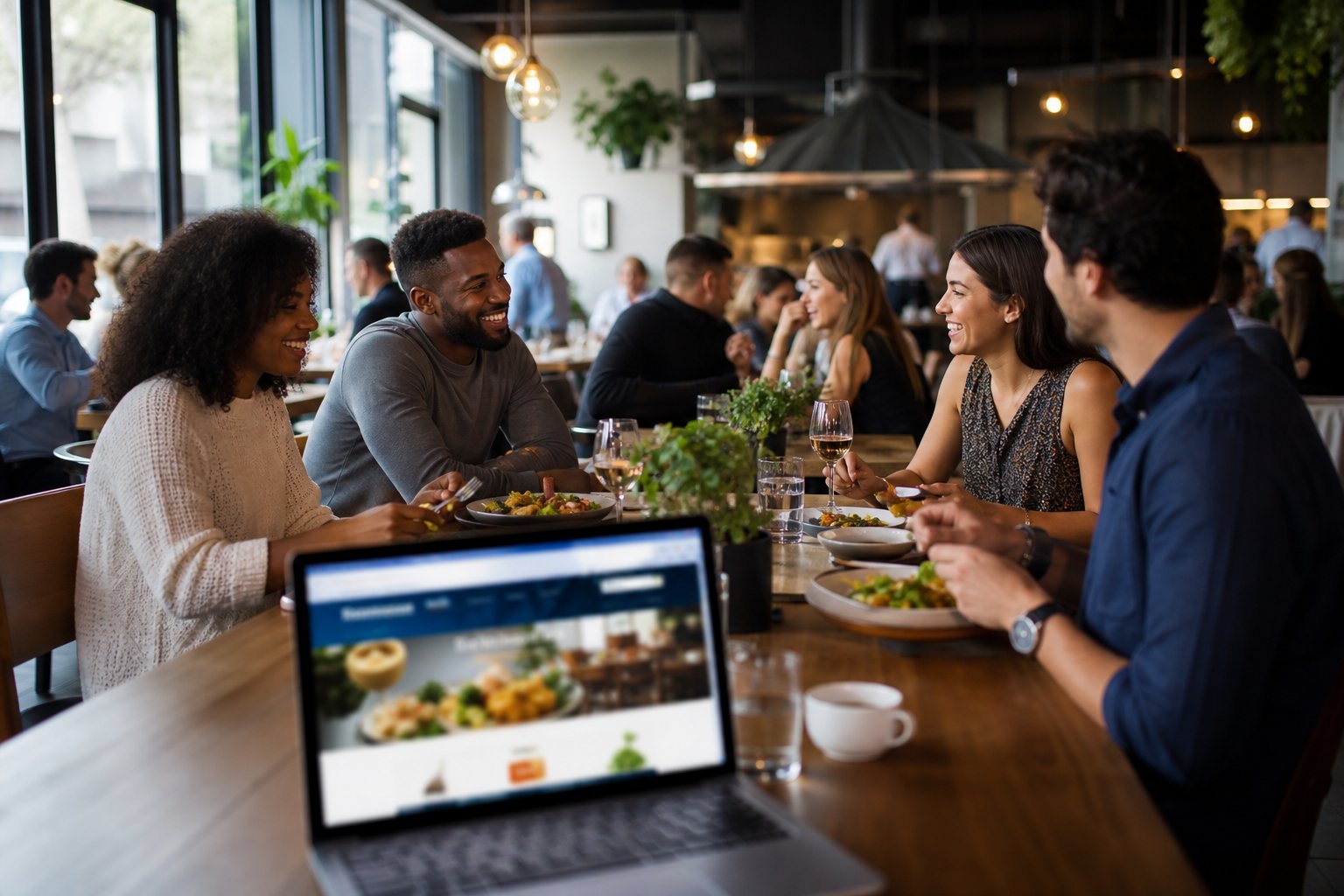
Google SEO for restaurants isn’t dead, but it’s definitely not what it used to be. The basics still count, but Google’s AI-powered features now decide who gets discovered and who fades into obscurity.
If you’re still clinging to the same local restaurant SEO strategies from three years ago, you’re likely losing guests to competitors who’ve moved with the times.
The gap between where most restaurants are and where they need to be? It’s not some mysterious, expensive leap. The changes are specific, actionable, and—honestly—overdue for most places.
Key Takeaways
Google SEO for restaurants isn’t dead, but AI-powered search has turned old SEO tactics upside down.
Traditional local SEO fundamentals still matter, but you’ve got to mix them with AI-optimised content that matches the way people actually ask questions now.
Winning now means updating your Google Business Profile, review strategy, and website optimisation so AI can confidently recommend you.
Understanding the Current Landscape of Restaurant SEO

Restaurant search behavior is scattered across more platforms than ever. AI-powered tools now compete directly with Google for diner attention.
The rules that determined your rankings even 18 months ago? They don’t guarantee visibility in 2026. Not even close.
Major Shifts in Search Behaviour
People aren’t searching like they used to. Instead of typing “Italian restaurant near me” into Google and scrolling, they’re chatting with AI assistants and expecting a single, confident answer.
Fewer diners are clicking through traditional search results. They’re asking ChatGPT for dinner ideas, using Google’s AI Mode in Maps, or talking to voice assistants that pull answers from all over.
Up to 62% of restaurant recommendations differ completely across AI platforms. You might rank first on Google, but be invisible when someone asks an AI chatbot for suggestions.
Your restaurant needs to show up wherever people are asking—otherwise, you’re missing out.
Impact of AI Overviews and AI Assistants
AI overviews now show up at the top of many Google searches, pulling info from multiple sources into a single block. Diners often don’t click through to restaurant websites or even see the local map pack anymore.
People use tools like ChatGPT, Gemini, and Perplexity to find restaurants outside of Google. When someone asks these AIs for a recommendation, the AI scans reviews, business profiles, menus, and websites to suggest one or two places.
The AI doesn’t give a ranked list. It just picks based on how well your data matches the question.
If your Google Business Profile description is bland, your reviews skip details about dishes, or your website menu is outdated, the AI skips you. You’re filtered out before the diner even knows you exist.
The Role of Traditional Search Engines
Google search and traditional SEO haven’t vanished, but their role is different now. Local SEO still brings in diners, especially those browsing options rather than asking for a single recommendation.
Your Google Business Profile is still crucial. But the signals Google uses to rank you have grown beyond citations, reviews, and consistent NAP data.
Google now favors restaurants whose profiles have detailed, specific info matching conversational queries. Attributes like “outdoor seating,” “private dining room,” and “vegan options” act as filters for the AI before it looks at other ranking factors.
The search engine results page still matters, but you need more depth and specificity to get there. Matching the intent behind diners’ detailed questions is the new game.
Blending Organic and Local Search Strategies
You can’t keep organic SEO and local SEO in separate silos anymore. One diner might search “best date night restaurant in Manchester” on Google, ask ChatGPT for Italian options, and then check your website before booking.
Your strategy has to connect across all these touchpoints. If your Google Business Profile mentions “private dining available,” your website should feature a dedicated page with photos and booking details for private dining.
Your restaurant website impacts your rank by offering the detailed info Google and AI tools need. Menu pages should be in crawlable HTML text, not PDFs.
Schema markup helps AI read your data easily. Consistency and depth across every platform now shape your search rankings.
How AI and Answer Engines Are Changing Diner Discovery
Diners just don’t scroll through endless search results anymore. AI-powered tools like ChatGPT, Gemini, and Perplexity answer questions directly, while Google’s AI Overviews deliver recommendations without even a single click.
Rise of Zero-Click Searches
Zero-click searches are the new normal for restaurant discovery. Someone types “best sushi near me with a heated patio” into Google and gets hours, photos, menu items, and reviews—right there in the SERP.
They don’t even visit your website. AI search tools treat queries like conversations with a friend. People ask full questions and get tailored recommendations instantly.
Appearing in these AI-generated answers isn’t just about being seen. It’s an endorsement that can drive bookings and foot traffic—even if no one clicks through to your site.
Answer Engine Optimisation (AEO)
Answer Engine Optimisation isn’t like old-school SEO. LLMs care about understanding, not just keyword matching.
ChatGPT and other AI assistants pull from structured data, reviews, and clear descriptions to build their answers. Your menu needs ingredient-level details and accurate dietary tags.
If your menu doesn’t say “vegan,” AI won’t recommend your vegan options. Conversational queries need a different approach. Instead of just “Italian restaurant London,” you’ve got to answer questions like, “Where can I host a quiet group dinner with vegan options?”
Key AEO priorities include:
Structured menu data with full dish descriptions
Updated Google Business Profile info
Active review management and owner responses
Clear answers to common guest questions about parking, reservations, and dietary accommodations
AI Summaries and Brand Mentions
Google reviews act as a new SEO layer for AI search. When ChatGPT answers “best tacos near me,” it pulls from your reviews, not your homepage.
These mentions shape how AI assistants understand and recommend your restaurant. AI Overviews pull from multiple sources to create summaries, so your brand might show up in an AI Mode response even if you’re not ranking first organically.
Recent guest feedback signals credibility to AI systems. Responding to reviews and keeping profiles active shows that your restaurant is reliable. Inconsistent info makes the AI hesitate to recommend you.
Conversational and Voice Search Trends
Voice search optimisation is huge now that diners use AI assistants on their phones. People talk differently than they type, asking for things like, “find me somewhere for breakfast that’s open now with outdoor seating.”
Google’s AI Mode powered by Gemini has changed how the Ask Maps feature works. These tools care more about understanding what people want than matching exact keywords.
Your content should sound like real people talk. Long-tail, conversational queries win when your site and listings answer specific questions directly. Think about what diners actually ask before they eat somewhere, and give clear, detailed answers that AI can easily find and use.
Local Search Fundamentals Every Restaurant Must Get Right
Getting found in local search means nailing four core areas. Your Google Business Profile drives map pack rankings. Consistent citations build trust with search engines.
Reviews influence both algorithms and customer choices, and structured data helps Google understand your restaurant’s details.
Google Business Profile and Map Packs
Your Google Business Profile is hands-down the most important asset for showing up in local search results. When someone types in "Italian restaurant near me" or "best pizza in Manchester," Google pops up a local pack with the top three results right next to a map.
Claim and verify your listing as soon as possible if you haven’t done it yet. Fill out every field in your profile—business name, address, phone number, hours, website, menu link, ordering link, the lot.
Pick the most specific primary category for your cuisine and add relevant secondary categories. Don’t just settle for “Restaurant” if you can use “Neapolitan Pizza” or “Sushi Bar.”
Upload 10-20 high-quality photos of your food, interior, exterior, and your team. Update your hours regularly, especially around holidays.
Post Google Posts every week about specials, events, or menu changes to keep your profile active and fresh in Google’s eyes.
The difference between being first or fourth in Google Maps is massive. The top three in the map pack snag about 75% of all clicks.
Local Citations and Directory Consistency
NAP consistency—Name, Address, Phone number—has to match exactly across every online platform. Even tiny differences like “St.” versus “Street” or a swapped digit in your phone number can throw search engines off and hurt your rankings.
Build citations on major directories like:
Yelp - high-authority restaurant directory
TripAdvisor - international dining platform
OpenTable - reservations and reviews
Facebook Business Page - social presence
Apple Maps - default map app for iPhone users
Local chamber of commerce - community credibility
Check your NAP consistency on your website, Google Business Profile, and all directories. Fix any inconsistencies you find—conflicting info just screams unreliability to search algorithms.
Restaurant-specific platforms matter more than generic directories. Focus your energy where your actual customers look for places to eat.
Review Management and Social Proof
Google Reviews directly affect your local rankings through three things: quantity, quality, and how recent they are. More reviews show you’re popular, higher ratings boost your ranking, and fresh reviews count for more than ones from last year.
Ask happy customers for reviews at natural moments. Train your staff to request Google Reviews when customers seem satisfied.
Include review links on receipts and in follow-up texts or emails after online orders. Make it as easy as possible for people to leave feedback.
Reply to every review—good or bad. Thank people for positive feedback, and handle negative reviews professionally. Your response rate shows Google you’re engaged and tells customers you actually care.
Don’t ever buy fake reviews. Google’s algorithms sniff out review manipulation and can hammer your listing—sometimes by removing all your reviews or even hiding your profile.
Reviews on Yelp and TripAdvisor also affect your visibility on those platforms, and they show up in both branded and non-branded searches.
Leveraging Schema Markup and Structured Data
Schema markup is code that helps search engines figure out the details about your restaurant. It enables rich results in search, like star ratings, price range, and even menu items right in the listing.
Implement these schema types on your website:
Schema TypePurposeRestaurant schemaCuisine, price range, reservationsLocalBusiness schemaAddress, hours, phone, locationMenu schemaDishes, prices, dietary informationReview schemaAggregate rating from customers
Restaurant schema tells Google you’re a dining spot, not just another business. This gives you a better shot at showing up for food-related searches in your area.
Schema markup is technical but honestly, it’s essential for local SEO now. If your website platform doesn’t support it, think about switching or hire a developer to add it properly.
Structured data gives search engines clear signals about your business, so you look better in regular search—and even in voice search.
Optimising On-Page and Technical Elements for Restaurant Sites
Solid on-page optimisation and good technical foundations make a real difference in how search engines rank your restaurant website. These things also affect how easily diners can actually use your site.
Your page titles, keywords, menu structure, and site speed all work together to drive organic traffic and boost visibility.
Keyword Research and Restaurant Keywords
Keyword research is about finding the exact phrases your potential customers type into Google when they’re looking for restaurants like yours. Focus on both primary and related secondary keywords for every page.
Start with location-based searches. People type in “Italian restaurant Manchester” or “best pizza delivery Leeds” way more than just “pizza.”
Use tools like Google Keyword Planner or Ahrefs to see what diners in your area actually search for. Don’t just guess—get the real data.
Search intent matters as much as the keywords. Someone searching “book table Italian restaurant” is ready to reserve now, while “best Italian restaurants near me” is still browsing. Match your content to what searchers want to do.
Assign one primary keyword and a few secondary keywords to each page. Your homepage might target "best pizza in Chicago," your menu page could focus on "Chicago deep dish pizza menu," and your ordering page might use "order pizza online Chicago."
Page Titles, Meta Descriptions, and Headings
Your page titles show up in search results and browser tabs, so they’re one of the most important on-page SEO elements. Put your primary keyword right at the start, keep it under 70 characters, and make every page title unique.
A strong title might look like: "Pizza Chicago | Deep Dish Pizza & Italian Cuisine" instead of just "Home | Mario’s Restaurant." Don’t waste space on filler words.
Meta descriptions don’t affect rankings directly, but they definitely influence clicks. Write catchy descriptions under 160 characters that include your keyword and actually make someone want to click. "Craving authentic deep-dish pizza in Chicago? Order online now for the best Chicago-style pizza delivery!" feels way more inviting than a bland description.
Use one H1 heading per page, and work your primary keyword in near the beginning. Structure your content with H2 and H3 headings that naturally include related keywords and make the page easier to skim.
Menu, Images, and Alt Text Best Practices
Your menu page needs special attention—it’s usually the most visited page after your homepage. Build your menu directly in HTML on your site, not just as a PDF download. Search engines can’t really read PDFs, and they can cause duplicate content headaches.
Break up your menu with clear headings and detailed descriptions. "Margherita Pizza - Fresh mozzarella, basil, San Marzano tomatoes on hand-tossed dough" gives search engines (and people) more info than just "Margherita - £12."
Images make your site look great, but they can slow things down if you’re not careful. Compress every photo before you upload—don’t let a 3MB image of your signature dish drag your site’s speed down.
Alt text describes images for search engines and helps visually impaired users. Write natural, descriptive alt text with relevant keywords: "wood-fired margherita pizza at Mario’s Italian restaurant" beats "pizza1.jpg" or awkward keyword stuffing like "pizza pizza restaurant best pizza Manchester."
Name your image files clearly before uploading. "margherita-pizza-marios.jpg" helps SEO much more than "IMG_2847.jpg."
Mobile and Page Speed Performance
Over 85% of diners find restaurants on their phones, so mobile optimisation isn’t optional anymore. Your site has to work smoothly on any device—responsive design is a must.
Test every page using Google’s PageSpeed Insights tool. It’ll show exactly how your site performs and pinpoint what’s slowing it down. Prioritise your mobile score—aim for 90 or higher if you can.
Authority, Link Building, and Community Engagement in 2026
Restaurants have to earn trust across multiple platforms and build genuine connections with local food communities. Modern SEO in 2026 is all about authority signals—and it’s not just about backlinks anymore. Social proof, unlinked mentions, and active engagement on the platforms diners actually use all count.
Earned Mentions and Unlinked Brand Signals
Your restaurant’s name popping up in conversations matters as much as formal backlinks these days. Google now tracks brand mentions across social media, forums, and review sites—even if they don’t link to your website.
Reddit threads about "best Italian restaurants in Manchester" or TikTok videos showing off your signature dish build brand awareness that Google notices. These unlinked mentions signal relevance and popularity to the algorithm.
Try to earn mentions in local food groups on Facebook and neighbourhood forums. When food bloggers post about your place on Instagram or YouTube, those shoutouts add to your authority—even without a direct link.
Set up Google Alerts or use social listening tools to track where people are talking about you. The more your name pops up in different places, the stronger your authority signals get.
Backlinks and Local Link Strategies
Link building still matters for restaurant SEO in 2026, even though Google’s gotten pickier about what counts. Focus on high-quality local backlinks from community sites, local news, and food-focused publications.
Partner up with local businesses for cross-promotion that includes links. If a nearby hotel links to your restaurant, or a local events site features your venue, those are valuable citations.
Get listed in local directories beyond just your Google Business Profile. Sites like tourism boards, chamber of commerce pages, and neighbourhood guides all offer relevant backlinks.
Sponsor community events or local sports teams to earn links from their websites. Host charity dinners or join food festivals to generate press coverage and natural backlinks.
Generic link-building tactics are basically dead since Google’s AI checks link context and relevance. Every backlink should make sense for your local area and food style.
Influencers, Food Bloggers, and Social Channels
Food bloggers and local influencers drive discovery way more than traditional search for a lot of diners. Build real relationships with creators who have engaged local followings—don’t just chase big follower numbers.
Invite local food bloggers for tastings and encourage honest reviews. Their posts on YouTube, TikTok, and Instagram create lots of touchpoints for new customers to find you.
TikTok’s a huge discovery channel for younger diners now. Short videos of your food, behind-the-scenes kitchen clips, or even quirky staff moments can reach thousands of locals.
YouTube food reviews and “best restaurants in [city]” videos stick around for ages. One good video can drive business for months, sometimes longer.
Engage on social media—don’t just broadcast. Reply to comments, share customer posts, and actually join local food conversations to build those community ties.
Managing Online Ordering, Reservations, and Reviews
Your presence on platforms like OpenTable, Yelp, and online ordering systems really shapes both discovery and conversion. These sites act like mini-websites, and honestly, a lot of diners decide where to eat without ever seeing your actual website.
Review management shapes how both Google and diners perceive your restaurant. Respond to every review with professionalism—address concerns, thank happy guests, just be real.
Make reservations easy through multiple channels. List your spot on OpenTable if it fits, but also let people book directly through Google Business Profile and your own site.
Online ordering integration can nudge your local search rankings higher. Whether you use third-party platforms or run your own system, keep ordering dead simple and hard to miss.
Monitor reviews everywhere—Google, Yelp, TripAdvisor, food delivery apps. Regularly engaging with reviews shows you’re active and responsive, which diners (and algorithms) notice.
Measuring Success and Adapting to Future Search Trends
Restaurant SEO success hinges on tracking the right metrics and keeping ahead of search algorithm shifts. Focus on local visibility, technical performance, and user experience signals, especially as AI-driven search changes roll in.
Tracking Rankings and Local Visibility
Your local search rankings matter a lot more than general organic spots. Track where you show up for key terms like "Italian restaurant near me" or "best Sunday roast in [your area]."
Check Google Business Profile insights every week. See how many people find you through direct searches versus discovery. Discovery searches are gold—they’re folks looking for your cuisine but don’t know your name yet.
Key metrics to track:
Position in the local 3-pack for your main keywords
Rankings for cuisine-specific terms in your area
Where your competitors rank for the same terms
Click-through rates from local search results
Don’t fixate on being #1 for one keyword. Your overall visibility across related searches tells the bigger story.
Leveraging Google Search Console and Analytics
Google Search Console lets you see exactly how people find your restaurant in search. Review the performance report monthly—see which queries get impressions but not clicks.
Look at click-through rates by query type. Menu-related searches should convert better than broad ones. If "chicken tikka masala menu" gets tons of impressions but zero clicks, maybe your meta description needs a refresh.
Set up custom Google Analytics reports to track organic traffic. Filter by landing page to spot which menu items or offers grab the most interest. Track conversions—phone calls, reservations, directions—whatever matters to you.
Priority data points:
Total impressions versus clicks
Average position for your top queries
Pages losing traffic
Mobile versus desktop performance
Watch branded versus non-branded search traffic. If branded searches are climbing, your other marketing efforts are probably working.
Monitoring User Experience and Core Web Vitals
Core Web Vitals play a big role in both search rankings and customer experience. Run your site through PageSpeed Insights every month—check loading speed, interactivity, and visual stability.
Your Largest Contentful Paint should stay under 2.5 seconds. Restaurant sites often struggle with this due to big food images, so compress those photos without destroying quality.
First Input Delay measures how fast your site reacts to clicks. If it’s over 100 milliseconds, diners get frustrated trying to book or view menus. Cut down JavaScript that slows things down.
Cumulative Layout Shift tracks if stuff jumps around as your page loads. When buttons move, people mis-click—so keep your layout steady, especially on phones.
Check your mobile experience regularly. Most restaurant searches happen on mobile, so don’t let desktop performance distract you.
Preparing for Further AI-Driven Changes
AI is rapidly changing how people find restaurants. Voice searches and AI Overviews now answer questions before anyone even clicks. Your content needs to show up in these formats.
Write menu descriptions and FAQs that answer specific questions clearly. If someone asks, "Does [your restaurant] have vegan options?", AI pulls info straight from well-structured content.
Track how often you appear in featured snippets and People Also Ask boxes. Research on SEO success in the AI erasuggests these features now matter as much as regular rankings.
Add proper schema markup for menus, hours, and reviews. Use Restaurant schema and Menu schema at the very least—it helps AI understand and display your info accurately.
Keep an eye on your brand search volume. Even if AI answers questions directly, it still builds awareness that can lead to more people searching your name later.
Frequently Asked Questions
Restaurant owners are facing new challenges as Google’s search tech shifts toward AI-powered recommendations. Here are some questions (and honest answers) about how these changes impact visibility, which signals matter most, and how to adapt your strategy without burning out.
How has local search changed for restaurants in 2026?
Google's Ask Maps now uses Gemini AI to suggest a single restaurant based on conversational queries. Instead of showing a list of three to five options, diners just get one AI-picked spot that fits their request.
This means local restaurant SEO has totally changed from trying to appear in a list to fighting to be the one picked. Your visibility depends on how well the AI matches your profile to what diners actually ask for.
Building citations and keeping NAP data consistent still matters. But it’s not enough anymore if you want to show up when people use conversational search queries.
What should restaurants prioritise instead of traditional keyword-focused optimisation?
Get specific—describe your place the way real diners talk. Your Google Business Profile should mention occasion types like date night or family dinner, atmosphere, dish details, even parking info.
Review content now beats sheer review count. Eighty detailed reviews mentioning dishes and occasions will outshine 300 generic five-star reviews in AI recommendations.
Fill out every attribute field. If diners want outdoor seating or vegan options, the AI filters by attributes before it checks anything else.
List every menu item with descriptions and dietary tags. The more details, the easier it is for AI to match you with queries about food preferences or restrictions.
Do Google Business Profiles still drive bookings and footfall for restaurants?
Yes, but only if your profile includes the right signals for AI search. If you just list your address, hours, and a bland description, you won’t get the same results as before.
Optimised profiles for the AI era feature detailed descriptions, all attribute fields filled, current menus with prices, and 25–30 high-quality photos showing your food, vibe, and facilities. These details feed the AI the info it needs to recommend you.
Inconsistencies between your profile and website hurt trust and visibility. The AI checks your claims, so your menu and profile info must match up exactly.
How do AI-generated search results affect restaurant visibility online?
AI-generated results can shrink your exposure if you’re not the single recommended choice. In the old map packs, you could be second or third and still get clicks. Now, Ask Maps only shows the top AI-picked restaurant for each query.
This shift in search engine usage means you have to optimise for lots of different conversational queries, not just a handful of keywords. Each type of query needs matching signals in your profile.
The winners are restaurants whose profiles use the same language customers use when asking questions. Generic marketing copy just doesn’t give the AI enough to go on.
What are the most important ranking signals for restaurants in map packs and local results?
Attribute completeness is the first filter. If you skip relevant attributes like private dining, outdoor seating, or dietary options, you’re out before the AI even looks at your reviews or photos.
Review language quality now trumps quantity. Reviews mentioning occasions, dish names, atmosphere, and service give the AI what it needs for conversational queries.
Photo variety and quality matter, too. The AI looks at your visual content, so show off signature dishes, your interior, outside spaces, and any facilities linked to your attributes.
Menu detail and accuracy help verify your profile. Your online menu should match your profile exactly, with clear pricing and dietary info.
How can restaurants apply the 80/20 approach to improve online discoverability?
Start by rewriting your Google Business Profile description. Focus on specific occasions, atmosphere descriptors, dish types, and practical details.
This one tweak can touch every search where your restaurant might show up. It’s a small thing, but it’s surprisingly powerful.
Build a review strategy that actually prompts customers to mention what they ordered. Encourage them to share why they picked your place in the first place.
Train your team to ask for these specifics instead of just saying, “Hey, leave us a review.” It’s a subtle shift, but it works.
Fill out every relevant attribute field—don’t skip any. Add a detailed menu with pricing, even if it feels tedious.
Honestly, these two steps take less than an hour, but they directly influence how AI filters and ranks your restaurant.
Upload 25 to 30 categorized photos. Show off your food, the vibe, and even the facilities—people notice.
Name the files in a way that actually describes what’s in them. Toss in captions that mention what’s shown, so nothing’s left to guesswork.
